shop

Showing posts with label Pavillon. Show all posts

Sunday, July 13, 2025

Discover the Tranquility of a Stylish Wooden Pavilion in Your Modern Landscape Retreat

 In today's fast-paced world, creating a peaceful atmosphere in your home is essential. Imagine walking into your backyard and encountering a stunning wooden pavilion that invites you to unwind and relax. This elegant structure can effortlessly transform your outdoor space into a tranquil haven, merging modern design with a warm, welcoming vibe. With thoughtful planning and design, your pavilion can become your favorite escape from the hustle and bustle of everyday life.

The Allure of a Wooden Pavilion

Wooden pavilions offer more than just practicality; they add charm and character to your outdoor spaces. Their inherent warmth creates a comforting environment that is ideal for savoring quiet mornings with coffee or enjoying intimate gatherings.

Unlike synthetic materials, wood changes over time, gaining a unique patina that enhances its allure. Various wood options, like cedar, redwood, and treated pine, can cater to varying tastes and architectural styles, ensuring your pavilion complements your home beautifully.

Choosing the Right Location

1. Evaluating Your Yard

When deciding where to place your pavilion, carefully assess your yard's layout. Investigate how the sun moves across your space throughout the day. For instance, a south-facing pavilion might provide ample sunlight for winter use, while one placed strategically in the shade offers relief in summer. Ensuring privacy is also crucial, so consider how closely neighboring homes are situated. A well-positioned pavilion can create a sunlit retreat in the summer and a cozy spot for warmth in the winter.

2. Balancing Views and Accessibility

Choose a location that not only presents lovely views but is also easy to access. If your garden blooms in spring, plant a pavilion in a spot where you can enjoy the vibrant colors. An area overlooking a pond, valley, or even the starry sky can provide serenity. Ensure it is within easy reach of your home’s entrance, creating a fluid connection between indoor and outdoor spaces.

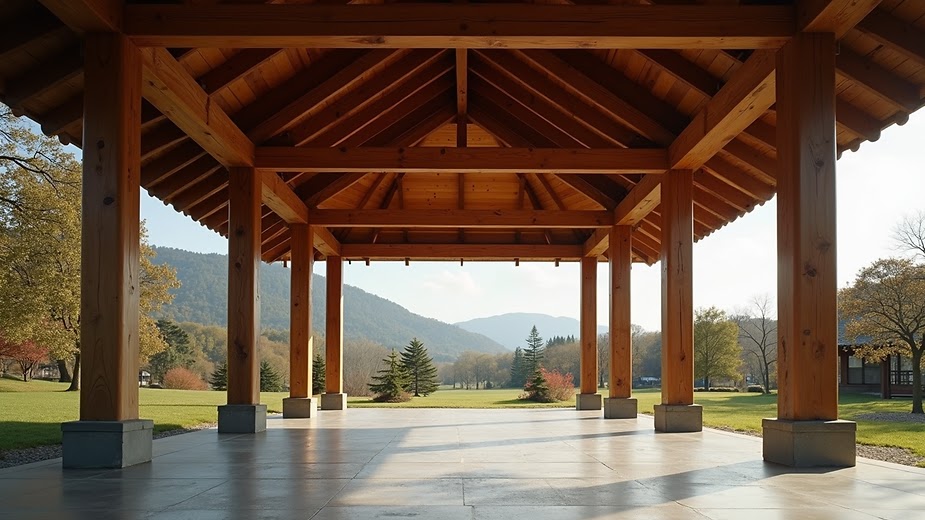
Beautifully crafted wooden pavilion surrounded by lush gardens.

Designing Your Pavilion

1. Architectural Style

Your pavilion's architecture should resonate with your home’s design while also echoing your style. Straight edges, a gabled roof, or a flat roof can complement diverse home aesthetics. Consider incorporating large windows or open sides to let in natural light and create an airy atmosphere that connects you to the outdoors.

2. Material Choices

While wood serves as the primary framework, integrating materials like stone or metal can add a distinctive touch. For example, laying down a stone path leading to the pavilion can create a chic approach while enhancing the overall aesthetic.

3. Enhancing Comfort

A pavilion should be a refuge where comfort reigns. Furnish it with cozy seating, such as cushioned benches or bean bags. Add ambient string lights for a warm glow during the evening. Outdoor rugs can further elevate comfort, turning the space into a place where you want to linger. A survey conducted by the National Association of Landscape Professionals found that 41% of homeowners prioritize outdoor comfort spaces, making comfort a significant design aspect.

Integrating the Pavilion into Your Landscape

1. Landscaping Elements

Surround your pavilion with landscaping features that enhance its appeal. Incorporate fragrant herbs like basil or lavender to stimulate the senses. Bright flowers can attract butterflies and birds, adding life to your space. Paths of gravel or decorative stone can guide guests toward the pavilion while creating a sense of adventure.

2. Hardscaping Features

Constructing hardscaping elements such as patios, decks, or retaining walls can beautifully frame your pavilion. A stone patio offers a stable platform for furniture, while bordering raised beds can provide an attractive backdrop. A well-planned hardscape serves both function and aesthetics, making your pavilion a focal point in your outdoor design.

Stylish wooden pavilion incorporated into a beautifully landscaped yard.

Utilizing Your Pavilion Year-Round

1. Seasonal Adjustments

Designing your wooden pavilion for year-round enjoyment is key. During summer, enjoy the cool breezes and open-air feel. In winter, introducing portable heaters or a fire pit can make it a cozy gathering spot. Fabric drapes can offer shade and privacy as needed, ensuring comfort in any season.

2. Special Occasions

Your pavilion can be a fantastic venue for various events, from intimate family dinners to lively neighborhood barbecues. Adorn it with fairy lights, elegant centerpieces, or floral arrangements to change its vibe. Transforming your pavilion can make each gathering special, creating memorable moments.

Embracing Sustainability

Choosing a wooden pavilion is not only a stylish decision; it also promotes sustainability. When sourced responsibly, timber is renewable and environmentally friendly. In fact, using sustainably harvested wood can help lower your carbon footprint. Moreover, a wooden structure can contribute to a cooler microclimate, benefiting local wildlife as well.

Integrating native plants in your landscape design can further enhance sustainability. These plants typically require less water and maintenance, helping you create a vibrant ecosystem around your pavilion while attracting local pollinators.

Your Haven Awaits

A wooden pavilion is more than just an outdoor structure; it is a personal retreat designed for relaxation and enjoyment. By carefully considering the design and location, you can create an inviting space that suits your lifestyle.

As you embrace the tranquility your wooden pavilion brings, make a conscious effort to enjoy nature's calming presence. A thoughtfully designed outdoor setting can improve your quality of life, providing a beautiful backdrop for cherished moments with loved ones. With the right planning, your yard can become a soothing sanctuary, reminding you that peace is never far away.

Cozy outdoor pavilion designed for relaxation amidst vibrant greenery.

Monday, May 26, 2025

Crafting a Pavillon Wood Structure: Expert Insights on Geometry and Design for Detached Yards

 Creating an inviting and functional outdoor space can greatly enhance your home’s enjoyment and overall value. A well-designed pavillon wood structure serves as a charming feature that not only provides a sheltered area for relaxation and entertainment but also enriches the aesthetic appeal of your detached yard. By mastering the geometric principles behind pavillon design, you can simplify the construction process and achieve a stunning transformation that seamlessly integrates with your home.

Understanding the Basics of Pavillon Structures

A pavillon typically comprises a framework of posts and beams, forming a sturdy and visually pleasing structure. The roof can be flat or sloped, contributing to both its functionality and aesthetic value. The geometry involved is essential for stability and longevity. For example, when constructing a 12-foot by 12-foot pavillon, ensuring proper angles and load distribution during design is crucial to withstand weather conditions, such as heavy rain or strong winds.

The posts, serving as vertical supports, are usually anchored securely to the ground, while the beams act as horizontal supports that transfer the weight from the roof to the posts. Understanding how to connect these key elements while considering overall shape is vital for a successful build.

The Geometry of Posts and Beams

The Role of Posts

Posts are often square or rectangular and serve as the primary vertical supports for the pavillon. The dimensions of these posts determine their load-bearing capacity. For instance, a standard 6x6 cedar post can support up to 1,000 pounds when properly installed.

Choosing materials wisely is essential; cedar is a favorite due to its natural resistance to decay and pests. Each post should be set deeply into the ground, roughly one-third of its height, ensuring stability against wind and weather.

Beam Configuration

The beams are just as important, connecting two or more posts and forming the structural framework. Selecting the right type of beam is critical. For example, a rectangular beam is typically used for a flat roof, while an I-beam configuration might be necessary for a sloped roof to enhance strength and load capacity.

For a pavillon with a sloped roof, you might use beams measuring 2x8 inches, angled to promote water runoff. These considerations ensure that your structure is not just beautiful but also stable.

Image Placeholder 1:

Eye-level perspective showcasing the wooden beams of a pavillon structure

Bonding the Structure

The connection between posts and beams is pivotal. Traditional joints like mortise and tenon or lap joints provide strength and allow some flexibility to adapt to environmental stresses. Understanding angles, load distribution, and the materials used is fundamental for a robust construction. Professional carpenters often use tools such as pocket hole jigs for precise fitting, ensuring durability.

The Roof Design: A Geometry-Driven Approach

The roof shape is not just an aesthetic choice; it also impacts functionality. Popular roof types include gabled, hipped, and flat, each affecting water drainage and structural stability.

For instance, a gabled roof, characterized by its two sloping sides, effectively directs water away, minimizing mold growth and decay. If you choose a flat roof, it's vital to incorporate a slight slope to facilitate drainage. Data shows that structures with adequate slopes have up to 30% less water-related damage compared to those without.

Image Placeholder 2:

High angle perspective emphasizing the gabled roof design of a wooden pavillon

Practical Considerations for Building a Pavillon

When planning your pavillon wood structure, keep several key factors in mind:

Local Regulations

Check your local building codes and regulations regarding outdoor structures. Permits are essential to comply with safety standards and avoid future complications. In some neighborhoods, permits for structures larger than 150 square feet may be required.

Material Selection

Opt for high-quality, weather-resistant timber that aligns with your design vision and budget. For example, pressure-treated pine can offer good longevity at a lower cost, while using hardwoods like mahogany or teak can provide exceptional durability but at a higher price point.

Functionality and Use

Think about how you will use the pavillon. Will it be a tranquil reading nook, an entertainment area, or a workspace? This understanding will influence its size and shape, as well as what amenities you might want (e.g., lighting, built-in seating, or landscaping features).

Image Placeholder 3:


Wide angle perspective of a completed wooden pavillon set in a landscaped yard

Final Thoughts

Constructing a pavillon wood structure goes beyond mere assembly; it requires a solid grasp of geometry and design principles. By thoughtfully considering posts, beams, and roof shapes, your pavillon can be both a beautiful centerpiece and a practical addition to your outdoor space. Whether you are a professional carpenter or a homeowner embarking on your first project, understanding the geometry involved will greatly enhance your outcomes.

With the right guidance and knowledge, you can create a stunning outdoor structure that enriches your home life and becomes a cherished gathering place for years to come.