As we step into 2025, woodworking enthusiasts are left in awe of the remarkable advancements in tools designed for outdoor projects. The blend of technology with traditional craftsmanship is proving to be a game-changer, enhancing precision, safety, and efficiency. The following sections will delve into some of the smartest tools that are redefining outdoor woodworking, providing you with insights that can elevate your project quality and simplify your process.
The Rise of Smart Woodworking Tools
In recent years, the woodworking landscape has shifted significantly, largely due to emerging technologies. Equipped with smart features, modern tools are streamlined to foster creativity while minimizing risks associated with outdoor woodworking. With the integration of IoT (Internet of Things) devices, real-time feedback, and machine learning, these tools are well-equipped for both novice and experienced woodworkers.
The transition towards smart tools showcases an era where efficiency meets creativity. Innovations are not just limited to manual tools; they span across digital applications and machinery, creating a harmonious workflow that caters to the preferences of the modern craftsman.
Smart Saws: Precision Redefined
One of the standout developments in woodworking tools is the emergence of smart saws. These advanced saws incorporate laser-guided technology that ensures flawless cuts every time. Imagine having a tool that not only measures and marks but also offers real-time adjustments based on the material's density and wood type.
Moreover, the best smart saws are often equipped with voice command functionalities. This feature allows woodworkers to maintain focus on their project without the need to manually adjust settings. Imagine deftly maneuvering your saw, while simply dictating the next steps—allowing a seamless workflow that saves both time and effort.
With innovations advancing swiftly, these smart saws have also incorporated safety features like automatic blade braking systems. This prevents injuries that can happen due to splits or unexpected movements, thus setting a higher standard in tool safety.
Advanced Measuring Instruments
Accurate measurements are pivotal in any woodworking project. In 2025, smart measuring tools have transformed conventional measuring tapes into tools capable of delivering precision combined with invaluable insights. Digital measuring tapes now come equipped with Bluetooth connectivity to sync measurements directly to design software.
These tools can even provide material estimates and project timelines, allowing for comprehensive planning before any actual work begins. The ability to visualize your projects digitally means far fewer mistakes and a more enjoyable woodworking experience.
Additionally, many digital measurers feature a display that can calculate square footage, enabling quick assessments of material needs on outdoor projects like decking or landscaping. Such tools not only enhance productivity but also add a professional touch to your output.
Dust Collection Systems: Health and Cleanliness First
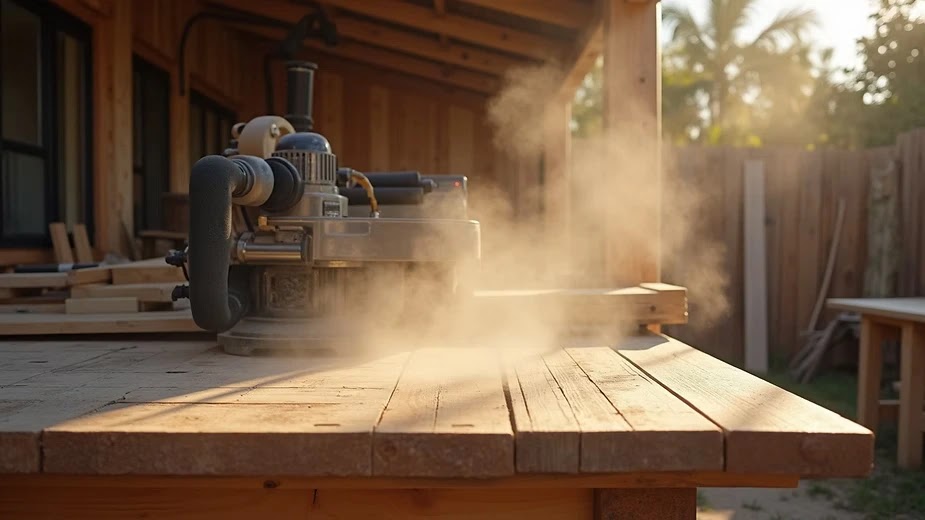
Woodworking is notorious for creating a significant amount of debris and dust. In 2025, advanced dust collection systems have gained attention for their ability to efficiently manage this issue. These systems integrate smart technology that enables them to sense dust levels and automatically adjust suction power accordingly.
The health benefits of maintaining a clean workshop are immense. Reducing exposure to sawdust contributes to better respiratory health and a more pleasant working environment. Many of these systems even offer HEPA filters that ensure the air in your workspace remains clean and safe.
Furthermore, the smart dust collectors can connect to your phone or tablet, alerting you when it’s time to empty the bag or clean the filters. This level of automation allows woodworkers to focus more on their projects while ensuring a clean workspace.
Robotics in Woodworking
The rise of robotics is not just limited to assembly lines and factories. In woodworking, robotic arms are starting to find their place, helping with repetitive tasks like sanding, cutting, and even assembling larger pieces. The introduction of these smart robots allows craftsmen to focus on more intricate aspects of their project, enhancing both quality and artistry.
Many woodworking businesses are adopting robotic systems that can be programmed for multiple tasks. This flexibility means more time can be dedicated to creative processes rather than labor-intensive, time-consuming work. The accuracy that these robots provide also leads to better-fitting pieces and stunning end results.
As technology continues to evolve, the realization of fully automated woodworking systems will increasingly become a reality. The prospect of a robot that works seamlessly with you is not only exciting; it opens up a world of creative possibilities.
Smart Applications for Design
Designing outdoor woodworking projects has never been more intuitive thanks to numerous smart applications available. In 2025, augmented reality (AR) and virtual reality (VR) technologies allow woodworkers to visualize their designs in real-time. With the help of these applications, you can project your design onto the intended space, giving you a clear sense of proportion and style.
These apps go a step further by allowing you to select different wood types and finishes digitally. This way, you can foresee how your project will look upon completion, aiding in decision-making and ultimately enhancing customer satisfaction.
The combination of design and technology ensures that you spend less time on trial and error. Instead, you can focus on executing your vision with precision, resulting in beautifully crafted outdoor projects that are tailored to your personal taste.
Smart Hand Tools: Enhancing Mobility and Ease
While power tools are essential in woodworking, the evolution of hand tools cannot be overlooked. Innovative smart hand tools have emerged, designed to improve ergonomics and efficiency. These tools often feature lightweight materials and streamlined designs that reduce strain on the user.
Smart screwdrivers, for example, come equipped with built-in torque sensors that ensure screws are tightened to the optimal level without over-driving. This kind of intelligent technology can prevent damage to the wood and ensure a professional finish.
Moreover, many hand tools are now compatible with digital applications, allowing them to track usage and provide maintenance schedules. A feature that may seem simple but significantly reduces the chances of equipment malfunction during a project.
Sustainability in Outdoor Woodworking
As societies grow more conscious of sustainable practices, it's crucial that woodworking tools embrace eco-friendly principles as well. In 2025, smart tools are being designed not just with efficiency in mind but also with sustainability at their core.
Many woodworkers are now using tools that do not just minimize waste but also provide options for recycling materials. Smart technology helps keep track of by-products, suggesting ways to repurpose scraps into materials for smaller projects.
Tools powered by renewable energy sources are also gaining traction. Solar-powered saws and rechargeable batteries that can be used in various outdoor settings are paving the way for a greener woodworking experience.
By melding technology with environmental awareness, woodworkers are positioning themselves to create beautiful outdoor spaces without compromising the health of our planet.
Conclusion
The year 2025 marks a pivotal moment for outdoor woodworking, driven by the integration of intelligent tools that enhance efficiency, safety, and sustainability. From advanced measuring instruments to smart saws and robotics, the landscape of woodworking is evolving at a rapid pace.
As these innovative tools continue to become more accessible, they will empower woodworkers of all levels to unleash their creativity while maintaining the highest standards of precision and artistry. Embracing these advancements not only enhances the woodworking experience but also promotes a thriving community dedicated to craftsmanship and sustainability.
The future of outdoor woodworking is indeed bright, and with these smarter tools, you can produce stunning, durable work that not only meets but exceeds your expectations. Embrace the revolution and let the tools of 2025 inspire your next great project!