shop

Showing posts with label Pergola. Show all posts

Saturday, August 30, 2025

Creating the Perfect Outdoor Kitchen for Your Terrace: Embrace American Craftsmanship and Serenity

There’s a special kind of joy that comes from spending a leisurely Saturday afternoon in your backyard. Picture sunlight streaming through wooden beams, the delicious smell of grilled vegetables sizzling on an open flame, and laughter filling the air. For homeowners who cherish comfort and character, an outdoor kitchen on a thoughtfully designed terrace is far more than a luxury—it’s a joyful lifestyle.

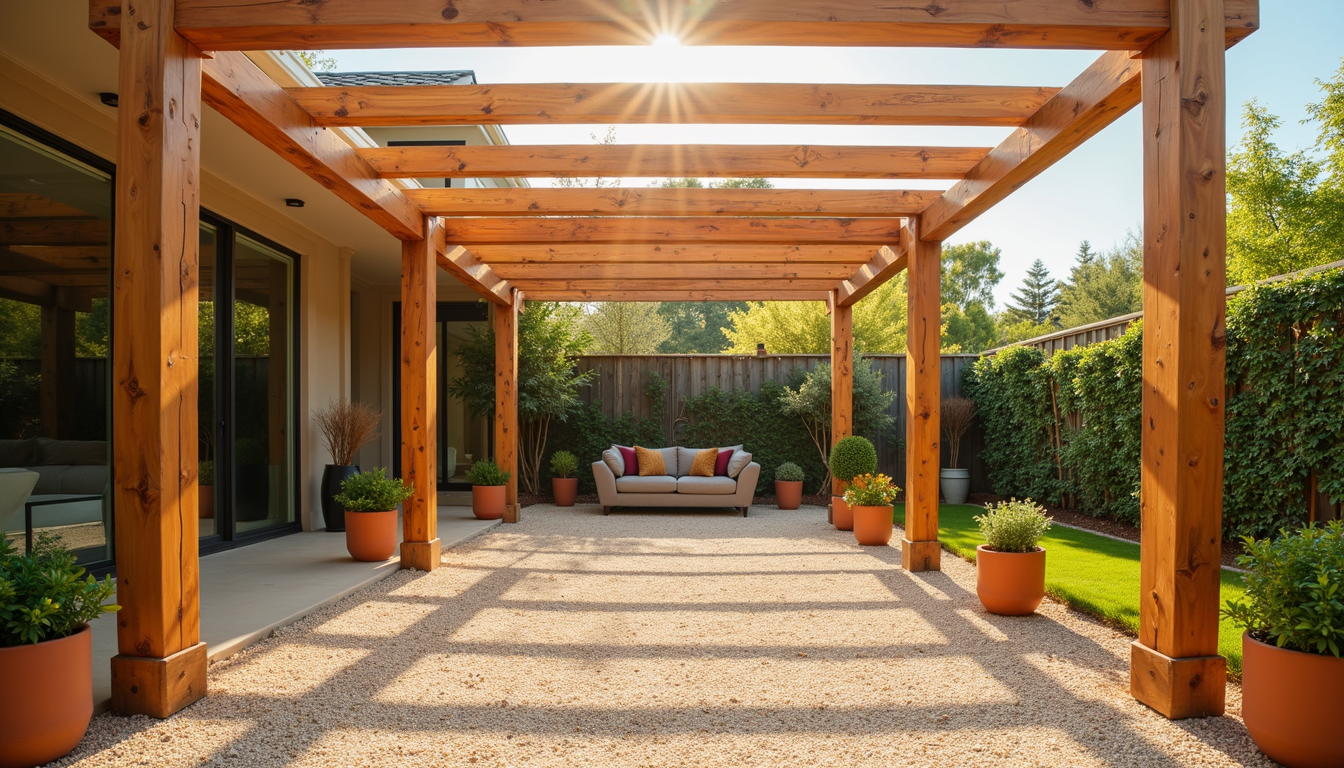
At the center of this experience is a terrace anchored by an impressive wooden pergola, embodying the timeless charm of American tradition. Imagine sturdy posts and hand-finished beams that have the strength to hold up under the elements, bringing warmth and authenticity to your outdoor space.

A Terrace Built for Living

This space is more than just a patio; it’s a gathering spot for unforgettable moments.

Visualize a spacious terrace framed in natural wood like cedar or Douglas fir. This wood creates an inviting atmosphere reminiscent of a classic American farmhouse. The pergola provides just the right amount of shade, blocking the sweltering summer heat while allowing that warm afternoon glow to filter through. At its heart lies a large table, perfect for family lunches, card games, or enjoying a morning coffee while watching nature wake up.


A beautifully designed terrace with a wooden pergola and dining area", image-prompt "A stunning outdoor terrace with a wooden pergola and dining setup.

What takes this beautiful space to the next level? The outdoor kitchen.

The Outdoor Kitchen: Function Meets Feeling

More than just a grill and a sink, your outdoor kitchen should be a fully equipped extension of the indoor kitchen. It should be conveniently located close to the dining area for ease of entertaining. When choosing appliances, opt for stainless steel options designed for outdoor use. Look for models that boast high resistance to rust and fading. According to consumer reports, well-made outdoor kitchens can retain their value up to 60% after several years.

Imagine cooking in style with a custom countertop made of weathered stone or durable concrete. You can find unique options like rustic slate or polished quartz that resist damage and enhance your cooking experience. This space allows you to stay connected with family and friends—grilling burgers while engaging in lively conversation, or stirring a pot of sauce while kids play just a few feet away.

Designing Your Outdoor Kitchen

Your outdoor kitchen design should not only be practical, but it also should reflect your personal style. Begin by planning the layout: L-shaped or U-shaped designs can help maximize space for different cooks to work side by side without crowding each other.

Incorporate high-quality outdoor kitchen appliances that resist rust and fading. For example, consider models with temperature controls specifically designed for outdoor use. Popular brands like Weber and Blaze offer outdoor grills with warranties lasting up to 15 years.


A modern outdoor kitchen featuring stainless steel appliances and a stone countertop", image-prompt "A stylish outdoor kitchen with stainless steel appliances and a stone countertop.

When selecting countertops, prioritize materials that endure weather changes while looking great. Weathered stone can add rustic charm, while polished concrete provides a sleek, modern appearance.

The Pergola: A Beautiful Framework

A thoughtfully designed wooden pergola creates a warm, inviting atmosphere that enhances your outdoor kitchen and dining area. It offers shade and protection from sun and rain, while also serving as a beautiful focal point.

Consider building a timber frame that matches your home’s aesthetic. Using sustainable wood species ensures durability and can create a design that ages beautifully. Enhance the ambiance with climbing plants like wisteria or string lights that twinkle in the evening, creating an enchanting space for friends and family.

Weekend Entertaining in the Backyard

Your outdoor kitchen transforms the backyard into a vibrant setting for weekend gatherings. Envision hosting a barbecue where the fragrant aroma of grilled meats fills the air and laughter radiates throughout the terrace.

To encourage guests to linger longer, install a nearby cozy seating area complete with comfortable cushions and throw blankets. This will create a welcoming environment, whether around a fire pit or beneath the soft glow of illuminated string lights.

Maintenance Tips for Your Outdoor Kitchen

Maintaining your outdoor kitchen is essential to keep it looking its best. After each use, clean your appliances to prevent rust and grease buildup.

For wooden elements, apply a weatherproof sealant to shield against moisture and UV damage. Regularly check and address any wear and tear to preserve your outdoor kitchen as a beautiful and functional space for years to come.

Embrace Your Outdoor Haven

Creating the perfect outdoor kitchen on your terrace is about blending functionality with a spirit of American craftsmanship and the peace of outdoor living.

By focusing on thoughtful design and quality materials, your backyard can become a cherished destination for lasting family memories and joyful gatherings. So, roll up your sleeves and utilize the beauty of natural wood to transform your outdoor area into a comforting haven of relaxation and happiness.

No matter if you are grilling, preparing a delicious meal, or simply enjoying a glass of wine under the stars, your outdoor kitchen will serve as the heart of your home, where cherished moments are made and celebrated for years to come.

Tuesday, July 8, 2025

Unlocking the Secrets of Pergola Beam Terminations for Stunning Outdoor Designs

 Pergolas have long been valued for transforming outdoor spaces into serene retreats. These structures provide shade while adding beauty to gardens and patios. Among the many design elements of a pergola, the terminations of horizontal wooden beams—often overlooked—are vital for both durability and visual impact.

This blog unpacks the essential design considerations of pergola beam terminations. We will cover decorative end cuts, joinery techniques, weatherproofing strategies, material choices, and the balance between form and function. We'll illustrate each aspect with concrete examples and relevant statistics to shed light on their significance.

The Importance of Pergola Beam Terminations

When designing a pergola, attention to detail is critical. The terminations of horizontal wooden beams extending from vertical posts are usually the first feature noticed by guests. Well-crafted beam ends can give a pergola a polished, inviting look, while poorly finished ends can detract from its overall appeal.

A well-designed termination can create a cohesive tone in the space. For instance, a finely beveled edge can evoke craftsmanship and elegance, while a simple cut might lend a rustic charm. Furthermore, reinforced beam terminations not just elevate aesthetics but also ensure the structural integrity of the pergola, with studies showing that well-crafted joins can increase the lifespan of outdoor structures by up to 30%.

Decorative End Cuts: Craftsmanship Meets Artistry

One of the most engaging aspects of pergola beam terminations is the variety of decorative end cuts that can be applied. Skilled craftsmen use various techniques to enhance the visual allure of beam ends, such as:

  • Beveled Edges: A slight inclination on the beam's end adds dimension and sophistication, elevating the entire look of a pergola. Homes featuring this style report a 15% increase in visual appeal, based on homeowner surveys.

  • Crown Molding: This ornate design offers an architectural touch, turning a basic structure into a striking focal point.

  • Routered Designs: Carving unique patterns or shapes into beam ends offers personal expressions of style. For example, adding floral patterns can infuse a sense of nature into the design.

  • Sculpted Ends: Artistic carvings can range from simple curves to detailed representations of leaves or waves, showcasing creativity while enhancing beauty.

These decorative cuts significantly enhance aesthetic appeal, but they should not compromise functional integrity.

Joinery Techniques: Strength in Design

Beyond aesthetics, the chosen joinery techniques at beam terminations play a crucial role in durability and visual presentation. Effective beam joins can influence both the longevity and overall strength of the pergola. Here are notable joinery options:

  • Mortise and Tenon Joints: This classic method has the end of a beam (tenon) fitting securely into a hole (mortise) in a support post. This joint can sustain heavy loads, making it ideal for areas that experience high winds.

  • Dovetail Joints: Renowned for strength and aesthetics, these joints interlock the beams, providing a unique visual display while ensuring stability.

  • Pocket Holes and Screw Assembly: Common in modern construction, this approach allows for quick assembly while preserving strength. Many DIY builders appreciate this option for its efficiency, reducing assembly time by up to 25%.

Each joinery technique presents a balance of strength and aesthetic appeal, highlighting the importance of meticulous planning and execution in design.

Weatherproofing Strategies for Beam Terminations

A critical, yet sometimes neglected, part of pergola design is ensuring that beam terminations can withstand environmental factors. Effective weatherproofing can drastically improve the durability and integrity of the wooden beams. Consider the following strategies:

  • Sealing and Staining: Applying high-quality sealants and stains protects wood from moisture, UV rays, and pests. It’s crucial to treat exposed end grains, as this area is most vulnerable to water exposure. Regular sealing can increase wood lifespan by three to five years.

  • Drip Edges and Water Management: Incorporating slight angles or drip edges on the ends can help direct water runoff and minimize the risk of rot.

  • Regular Maintenance: Conducting semi-annual inspections for signs of damage, such as cracks or mold, can extend the life of your pergola. Proactive repairs prevent minor issues from evolving into major structural problems.

These weatherproofing strategies enhance both the beauty and longevity of the pergola.

Material Choices: A Critical Component of Design

The choice of materials for pergola beam terminations greatly affects both aesthetics and durability. Here are popular options:

  • Cedar: Highly regarded for its natural resistance to rot and pests, cedar is both strong and lightweight, making it ideal for outdoor use. Structures built with cedar can last over 20 years with proper maintenance.

  • Redwood: Like cedar, redwood offers decay resistance and possesses a rich color and grain, giving it a luxurious finish.

  • Pressure-Treated Pine: This affordable option has been chemically treated to resist moisture and decay. However, it typically requires more frequent maintenance, potentially reducing its longevity to around 10-15 years.

  • Composite Materials: For low-maintenance solutions, composite materials resemble wood while offering greater resistance to the elements. These materials often come with warranties lasting up to 25 years.

Carefully selecting materials helps homeowners create attractive beam terminations that are also durable.

Traditional vs. Modern Design Approaches

The evolution of pergola design has blended traditional craftsmanship with modern aesthetics. Understanding both styles helps achieve a cohesive look that complements the outdoor space.

Traditional Approaches

Classic pergola designs often feature intricate joinery, decorative end cuts, and natural materials. These structures highlight craftsmanship and evoke nostalgia. Common features include:

  • Scalloped Ends: Frequently seen in traditional designs, scalloped edges add elegance and charm.

  • Curved Rooflines: Elements like arches or curved beams introduce architectural complexity.

Modern Approaches

Conversely, contemporary pergolas prioritize clean lines, minimalism, and innovative materials. This style focuses on functionality paired with striking aesthetics, favoring:

  • Straight and Bold Beam Ends: Simple cuts that emphasize geometric shapes are prevalent in modern designs.

  • Mixed Materials: Combining wood with metals or composites creates a bold contrast, merging nature with modernity.

By integrating both traditional and modern design elements, one can craft pergolas that reflect personal style while maximizing functionality.

Balancing Form and Function in Pergolas

The most intricate aspect of creating beautiful pergola beam terminations involves balancing form and function. While aesthetics are vital, usability and durability should never be overlooked.

  • Functional Aesthetics: Design choices should support the structure’s ability to endure the elements. As an example, while decorative end cuts enhance visual appeal, they must also provide stable support.

  • Use of Space: A well-designed pergola should fit seamlessly into its surroundings, appearing both organic and intentional. Proper sizing, including beam termination dimensions, ensures the pergola harmonizes with the landscape.

  • User Experience: Understanding the intended use of the pergola is key. Whether it serves for relaxation or entertainment, the design should meet specific needs while captivating the eye.

By maintaining this balance, designers can create structures that function beautifully while remaining visually striking.

Final Thoughts

Examining the design considerations of pergola beam terminations highlights the significance of these often-overlooked components. From decorative end cuts to weatherproofing strategies and material selections, there is much to contemplate in crafting an outdoor structure.

Balancing aesthetics and functionality is essential for enhancing outdoor spaces while ensuring durability against the elements. Whether leaning toward traditional craftsmanship or modern minimalism, understanding the vital role beam terminations play in overall design creates opportunity for stunning results.


Decorative end cuts on wooden pergola beams enhance aesthetic appeal.

The quest to create beautiful pergola beam terminations invites homeowners to explore their outdoor design dreams, ensuring that their space serves as both a sanctuary and a masterpiece for years to come.

Tuesday, May 13, 2025

Ultimate Guide to Building a Wood Pergola in Your Backyard

Ultimate Guide to Building a Wood Pergola in Your Backyard

Are you looking to add a touch of elegance and functionality to your backyard? A wood pergola might be just the thing you need. In this ultimate guide, we will walk you through the steps to help you build a stunning wood pergola in your outdoor space.


Planning and Design

Begin by envisioning how your pergola will enhance your backyard’s functionality and aesthetics. Measure your space carefully to determine the pergola’s dimensions, and define its purpose—whether for hosting guests, creating a shaded lounging area, or complementing your garden’s design. Align the pergola’s style with your home’s architecture, and gather inspiration from design platforms like Houzz, Pinterest, or landscaping magazines to refine your concept.

Materials and Tools

Select durable, weather-resistant materials such as cedar, redwood, or pressure-treated lumber for longevity. Gather essential tools: a power drill, saw, level, concrete mix, and galvanized screws or bolts. For decorative flair, consider ornamental brackets, post caps, or intricate beam designs. Always prioritize quality to ensure structural integrity and visual appeal.

Preparing the Site

Choose a flat, accessible location free of obstructions. Mark the pergola’s footprint with stakes or paint, then dig post holes to a depth of at least one-third the post’s height. Secure posts with concrete, and allow the foundation to cure fully (24–48 hours) before proceeding. Proper site preparation ensures stability and safety.

Building the Framework

Assemble the pergola’s structure by cutting beams and rafters to size. Attach them to the posts using weatherproof fasteners, and check alignment with a level. Add crossbeams or lattice for support and style. Take care to ensure all joints are secure and the framework is balanced.

Personalizing Finishes

Enhance your pergola with climbing plants (e.g., wisteria, ivy), string lights for ambiance, or retractable curtains for privacy. These touches transform it into a cozy outdoor retreat while blending natural beauty with practical design.

Long-Term Care

Protect your pergola with a water-resistant sealant or stain every 1–2 years. Inspect for loose hardware, rot, or weathering, and address repairs promptly. Clean annually to remove debris and maintain its fresh appearance.

Final Thoughts

A wood pergola is a timeless addition to any backyard, offering both charm and utility. By following this guide, you’ll create a durable, eye-catching structure that elevates your outdoor living experience. Get started today and enjoy your custom-built oasis!